 365
365
The Golden Age city: Villanueva de los Infantes
Ciudad Real
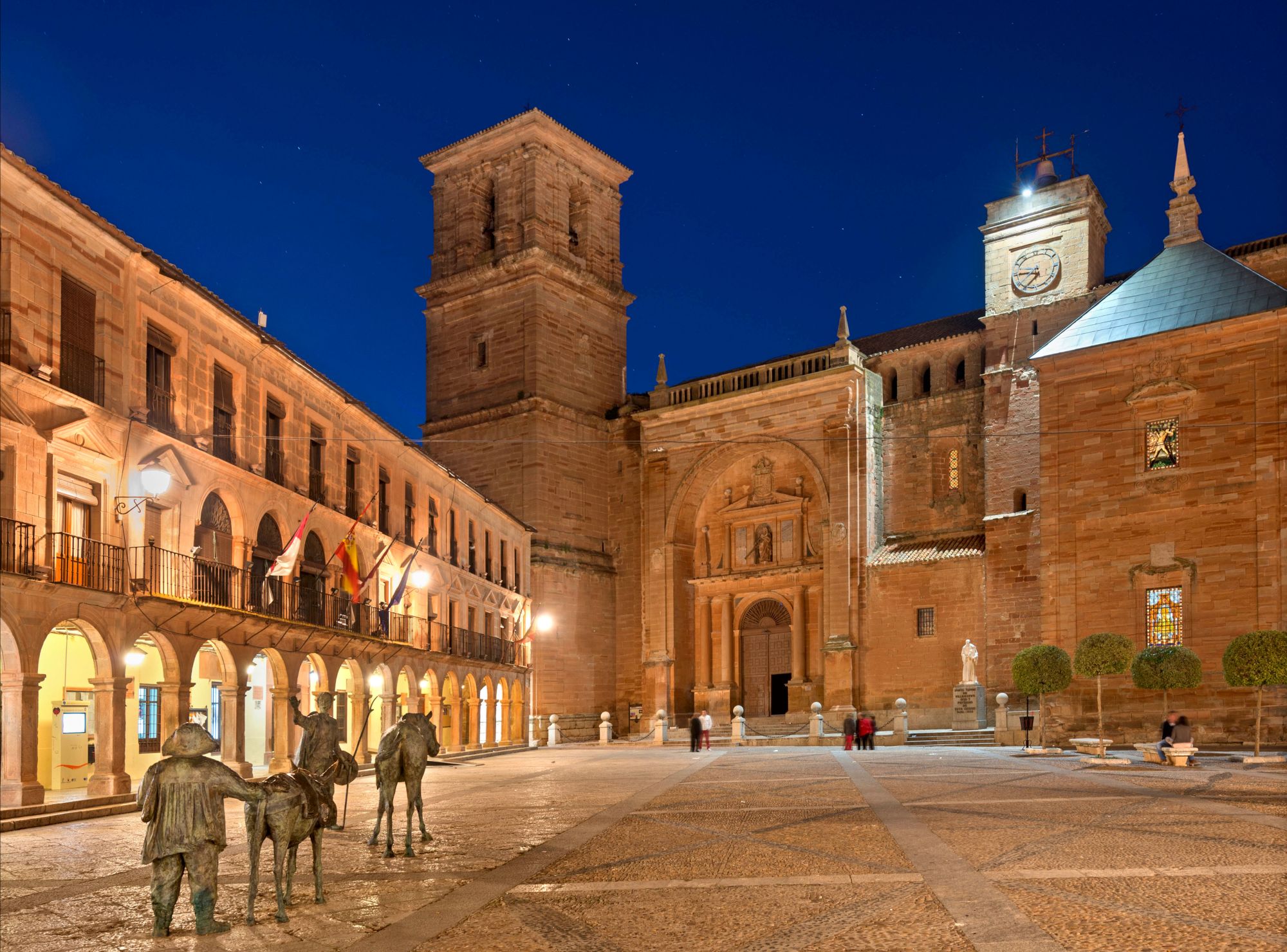
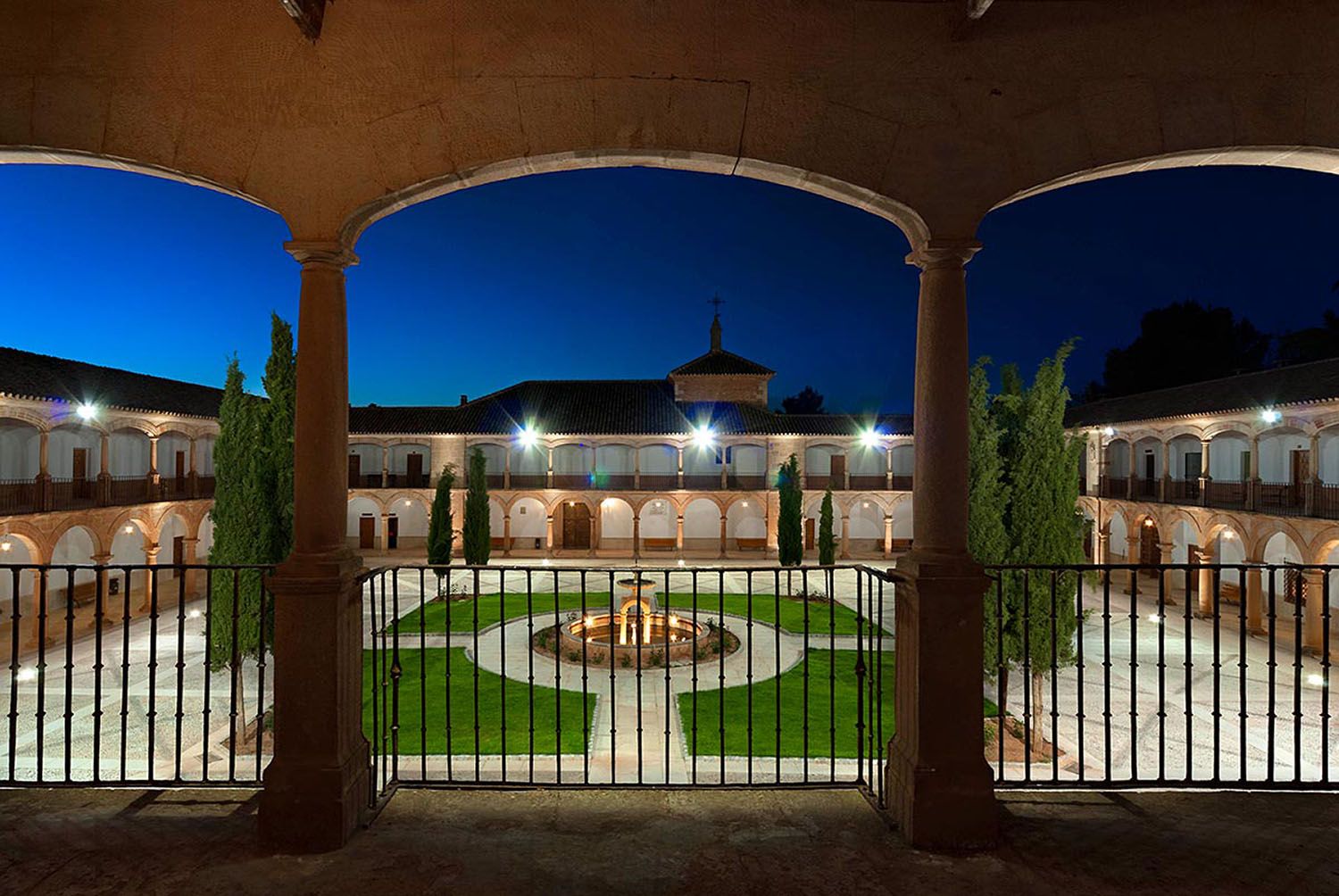

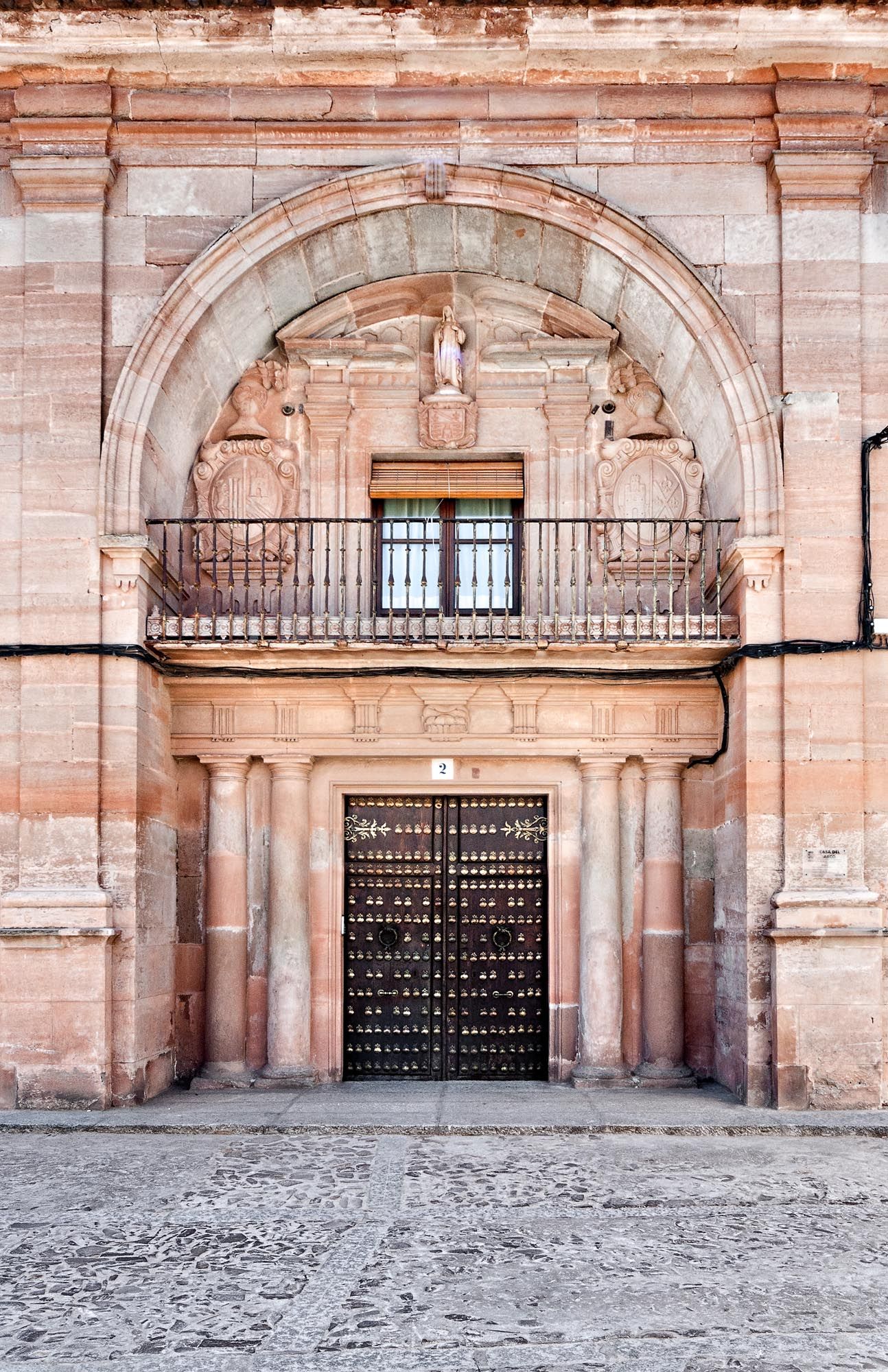
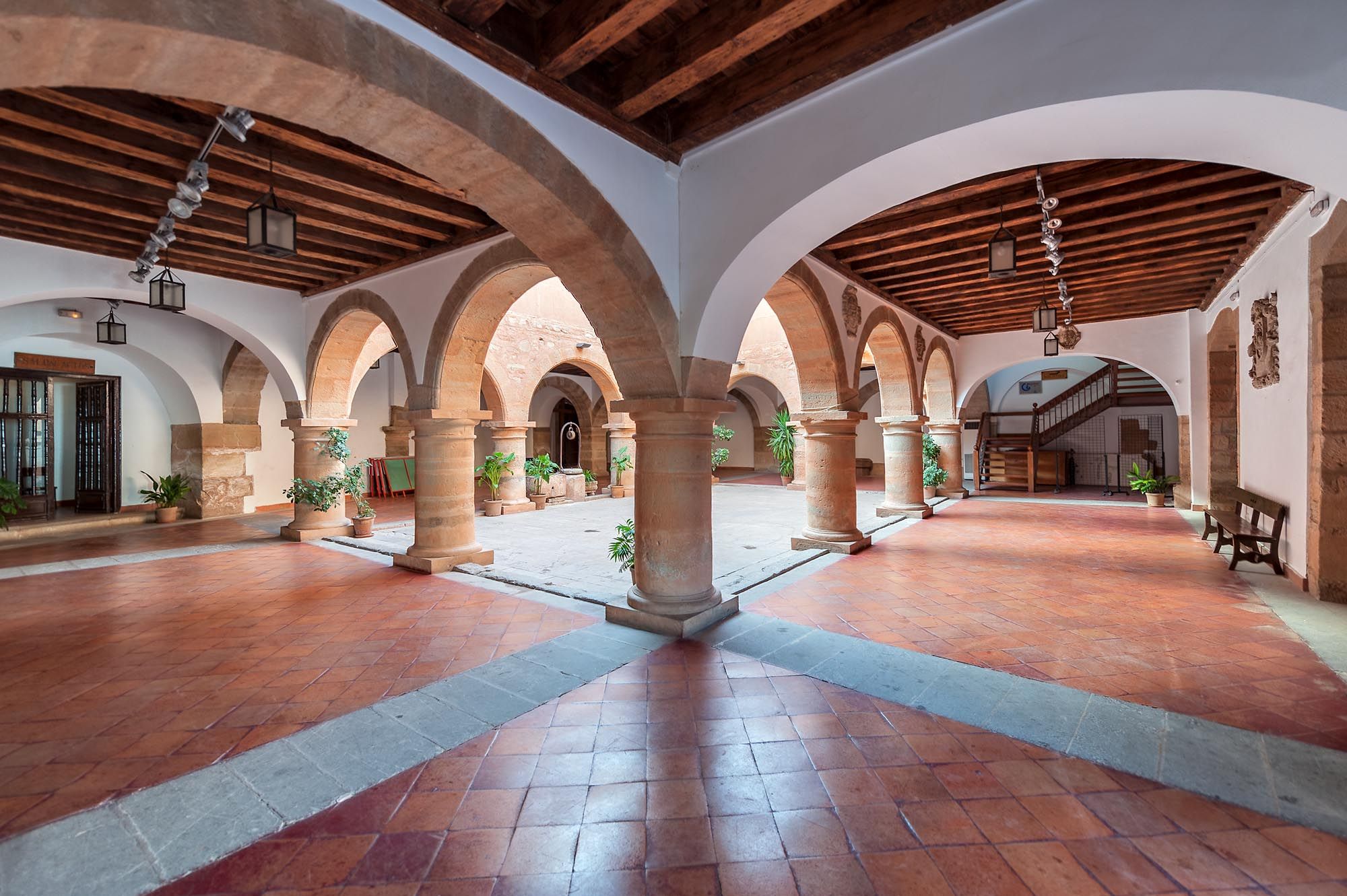

Villanueva de los Infantes, the “capital of Campo de Montiel”, is a must for those wanting a slow-paced visit. Declared a Historic-Artistic Grouping, its labyrinthine centre is a treasure trove of extremely beautiful architecture, including civil and religious buildings, palaces and popular houses. Starting with the main square, from the early 17th century, which is the epicentre of the city. From here, we get lost among its winding streets and hidden corners.
The noteworthy civil constructions include the Santiago Hospital from the 17th century, with medieval origins; the exquisite Alhóndiga (corn exchange) and its lovely patio; the Casa del Arco (the Arch House), which is uniquely beautiful with a striking façade; the House of the Studies, the palace-home of the Marquis of Entrambasaguas, the Inquisition Tribunal, and San Juan square - these are just some of the unmissable places on our tour.
The multiple, impressive religious edifices include the Saint Andrew Church, the chapel of Christ of the Family and the Church of the Trinity, and don’t miss the Santo Domingo Convent, as this is the place where Quevedo died and his cell is preserved inside.
The names of Saint Thomas of Villanueva, the humanist Jiménez Patón, the artist Francisco Cano or the universal figures of Quevedo (who, very sick, was moved to Villanueva de los Infantes, where he passed away on 8 September 1645 and where he is also buried), Cervantes and Lope; the bull fights held here from 1630 and its theatrical courtyard helped to turn the city into a cultural centre for La Mancha during the Spanish Golden Age.
If we want a break from so many monumental memories, the perfect side trip is “El Mercado” contemporary art museum.
May also be of interest to you
Castilla-La Mancha Tourism in 2023. All rights reserved.